If you manage a website, the days of “set it and forget it” for your SSL certificates are changing. With the upcoming SSL Validity Changes 2026, it’s essential to stay informed.
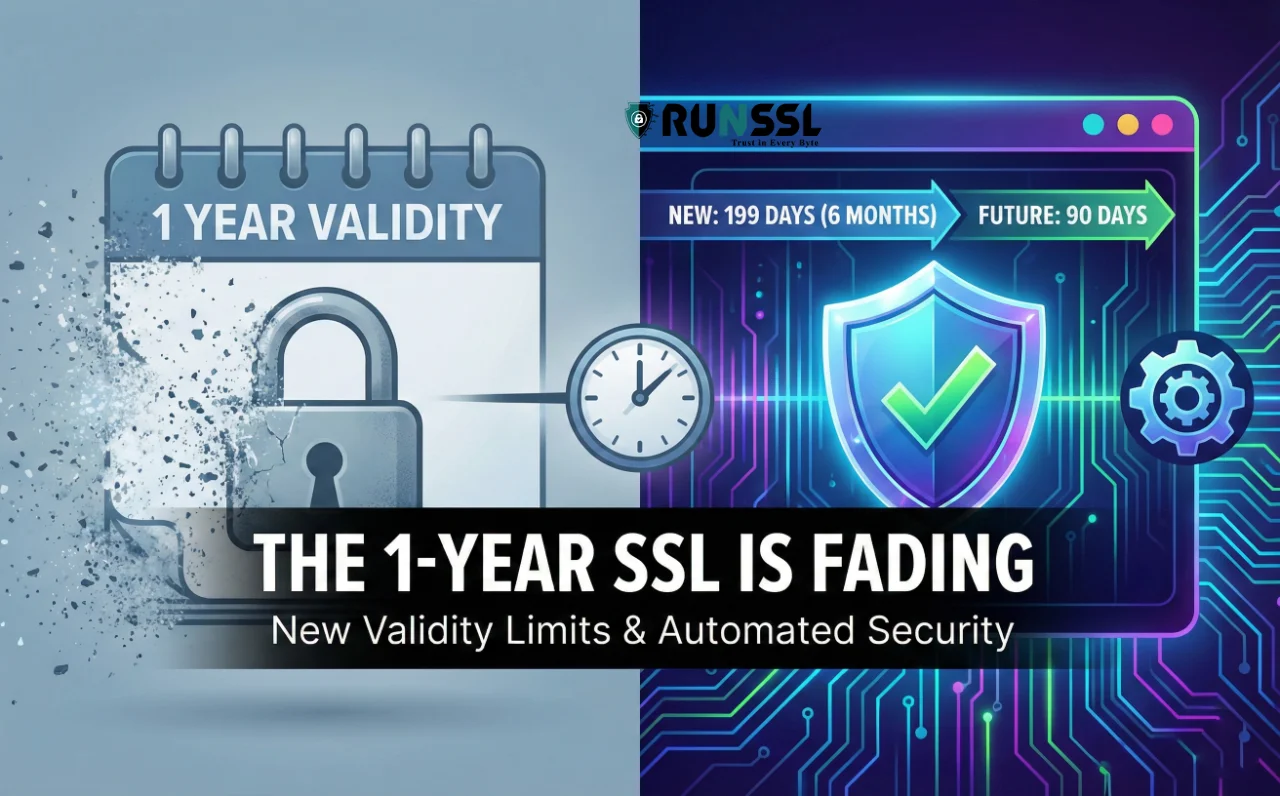
For years, website owners have been accustomed to renewing their SSL certificates once a year. However, a major shift in the cybersecurity industry is accelerating. Starting February 24, 2026, major Certificate Authorities are reducing the maximum validity period for new public SSL/TLS certificates to roughly six months (199 days). This change is part of the broader SSL Validity Changes 2026 that all website owners must understand.
Here is everything you need to know about this update and how to keep your website secure without doubling your workload.
Understanding the implications of these SSL Validity Changes 2026 is crucial for maintaining your site’s security.
What is Changing?
Effective February 24, 2026, many top-tier Certificate Authorities (CAs) will stop issuing public SSL certificates with a validity period longer than 199 days.
- Before: You could install a certificate that lasted 397 days (approx. 13 months).
- Now: New certificates will need to be replaced or re-issued every ~6 months.
- Future: This is a stepping stone toward a universal 90-day validity period, which Google and Apple have been pushing for to improve global internet security.
Does This Affect My Existing Certificate?
No. If you currently have an active SSL certificate installed on your website, it remains valid until its original expiration date. You do not need to replace it immediately.
However, when you go to renew that certificate (or if you buy a new one after late February 2026), you will be issued a certificate with the shorter 199-day lifespan.
Why Is This Happening?
It might feel like extra work, but this change is designed to make the web safer for everyone. Shorter validity periods offer two main security benefits:
- Faster Updates: If a security vulnerability is discovered in an encryption standard, shorter lifespans mean the old, vulnerable certificates expire and are replaced much faster.
- Reduced Risk: If a hacker steals your private key, the window of time they can use it to impersonate your website is significantly reduced.
The Solution: Multi-Year Plans & Automation
You might be thinking, “Does this mean I have to buy a new certificate twice a year?”
Not necessarily. At RunSSL.com, we have structured our plans to minimize the hassle.
- Buy Multi-Year: You can still purchase a 2, 3, or 5-year SSL subscription plan. You lock in the lower price for the long term.
- Re-Issue Required: While you pay once, you will need to re-validate and re-install the certificate every 6 months (and eventually every 90 days).
The best way to handle this? Automation. Manual installation is becoming a thing of the past. We highly recommend looking into Automated Certificate Management options. For many hosting environments, this means the re-issuance and installation happen in the background without you lifting a finger.
Key Takeaways for Website Owners
- Don’t Panic: Your current site is safe.
- Check Your Expiry: Know when your current certificate expires so you aren’t caught off guard by the new rules upon renewal.
- Stick with RunSSL: We are fully prepared for these industry changes. Our systems are updated to ensure that when you buy a certificate, you remain compliant with the latest browser standards.
The move to shorter certificates is inevitable, but it doesn’t have to be painful. Secure your site today with RunSSL, and let us help you navigate the future of web security.
Related Products
- Sale!
 Comodo
PositiveSSL Certificate (DV)
₹1,450.00/year Select options This product has multiple variants. The options may be chosen on the product page